
Libras
Gold Rate Today Explained: What Every First-Time Buyer Needs to Know
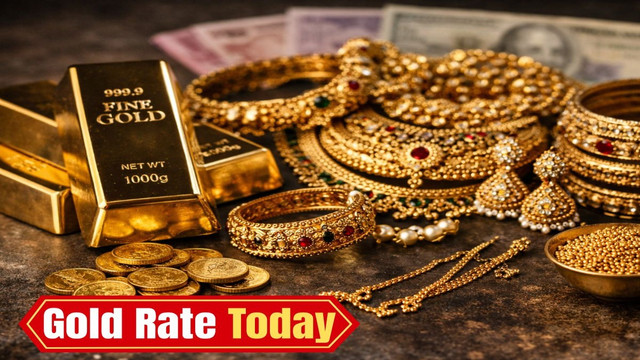
Stepping into the precious metals market for the first time can feel both thrilling and intimidating. Whether you are buying fine jewelry for a special occasion, acquiring minted coins to safeguard your savings, or exploring digital assets, your very first checkpoint will always be checking the Gold Rate Today.
To a newcomer, the daily price fluctuations broadcast on financial websites or quoted by local jewelers can seem unpredictable. Numbers shift constantly, and different sellers often present varying costs for what appears to be the same metal. Demystifying how the Gold Rate Today is determined—and learning how to evaluate it accurately empowers first-time buyers to step into the market with complete clarity and financial confidence.
Unpacking the Fundamentals: Spot Price vs. Local Retail Rate
When you search for the Gold Rate Today, you will typically encounter two distinct sets of figures: the international spot price and your local retail market rate. Understanding the difference between these two metrics is essential for budgeting correctly.
The global spot price represents the live, wholesale benchmark for pure 24-karat gold traded on international commodities exchanges. It reflects the raw value of one troy ounce of gold before shipping, refining, or localized taxation.
However, the price you pay at a retail establishment builds upon that international baseline. Local prices factor in several unavoidable additional costs:
Currency Dynamics: Because global gold trade operates primarily in US Dollars, local currency fluctuations directly push domestic prices up or down.
Import Tariffs and Excise Taxes: National governments apply customs duties on raw bullion entering the country, which adds directly to the baseline cost per gram.
Logistics and Insurance: Secure transport, vaults, and insurance fees contribute to the final retail landed price.
Key Drivers Behind Daily Price Changes
Gold prices do not change arbitrarily. Instead, the Gold Rate Today responds dynamically to a broad range of global economic forces.
Central Bank Monetary Policies
Interest rates are one of the most powerful influences on precious metals. Because physical gold is a tangible asset that does not pay interest dividends, its attractiveness rises when central bank benchmark interest rates drop. Lower interest rates reduce the opportunity cost of holding non-yielding assets, encouraging investors to shift funds into gold and driving prices upward.
Inflationary Pressures
Gold has served as a reliable hedge against rising consumer prices for generations. When fiat currencies lose purchasing power due to persistent inflation, real tangible assets retain intrinsic valuation. As investors buy bullion to protect their capital during inflationary cycles, increased demand elevates the Gold Rate Today.
Safe-Haven Investor Flows
During periods of market volatility, geopolitical tension, or economic instability, global investors routinely reallocate assets into safe-haven holdings. Gold's centuries-old track record of wealth preservation makes it a primary refuge during systemic market stress.
Carats, Purity, and Making Charges
One of the most common pitfalls for first-time buyers is confusing metal purity with retail value. Gold pricing is directly tied to karat (K) ratings, which denote the percentage of pure metal contained in an item:
24 Karat (99.9% Pure): Pure, unalloyed gold. Highly malleable and soft, 24K is used primarily for investment bullion bars, sovereign coins, and digital gold instruments.
22 Karat (91.6% Pure): Mixed with durable base metals like copper or silver to increase strength. It provides a rich golden hue alongside structural longevity, making it the preferred choice for traditional jewelry.
18 Karat (75.0% Pure): Contains 75% pure gold alloyed with 25% other metals. It is resistant to bending and scratching, making it the industry standard for modern, stone-studded jewelry.
When purchasing crafted items like jewelry, sellers add making charges (craftsmanship fees) on top of the weight-based value of the raw metal. Always request an itemized breakdown showing the weight, active per-gram rate, making charge percentage, and applicable taxes before making a payment.
Essential Tips for First-Time Buyers
Navigating your very first purchase requires simple, disciplined habits:
Verify Baseline Rates First: Always look up official local bullion association releases on the morning of your purchase so you know the exact baseline rate per gram before entering a store.
Prioritize Hallmarked Gold: Only buy physical pieces that feature certified purity hallmarks from recognized national assaying bodies. Hallmarks guarantee that you are getting the exact karat purity you paid for.
Align Products with Financial Goals: If your goal is pure wealth accumulation, opt for low-premium items like certified bars or minted coins. If you prefer personal wearability, select well-crafted jewelry while remaining mindful of craftsmanship fees.
Compare Seller Premiums: Shop around and compare making charges across multiple reputable jewelers, as craftsmanship fees can vary significantly between retailers.
Conclusion
Navigating the precious metals market does not have to be intimidating. By understanding how the Gold Rate Today is structured—from international spot benchmarks and local currency dynamics to karat purity levels and retail craftsmanship fees—you position yourself to make smart, cost-effective decisions. Whether you are building a long-term financial safety net or making a memorable personal purchase, staying informed ensures that your investment in gold provides lasting value and peace of mind.