
Peptides
Peptides: Understanding the Science, Research, Quality, and Responsible Use
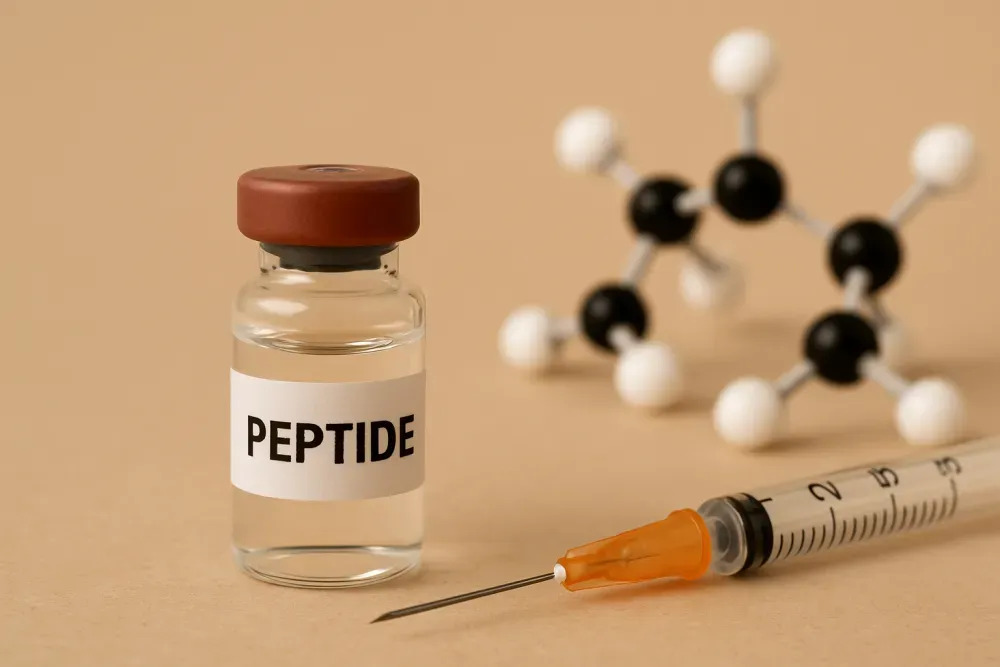
Peptides have become an increasingly discussed subject in modern science, biotechnology, medicine, fitness, and health research. These small chains of amino acids play important roles in biological processes and are being studied for many potential applications. As scientific interest continues to grow, it is important to understand what peptides are, why researchers study them, and why quality and regulatory status matter.
For anyone exploring peptides online, reliable information is especially valuable. Not every peptide is an approved medicine, and products marketed on the internet may have very different purposes and regulatory positions. A clear understanding of the science can help readers separate legitimate research from unsupported claims.
What Are Peptides?
Peptides are short chains of amino acids connected by peptide bonds. Amino acids are the building blocks of proteins, but peptides are generally smaller and can perform different biological functions.
In the human body, naturally occurring peptides can act as signaling molecules. They may communicate with cells, influence biological pathways, or participate in processes involving hormones, metabolism, immune responses, and other functions.
Scientists are interested in peptides because their structures can interact with specific biological targets. This makes peptide research an important part of modern drug discovery and biomedical science.
However, the word “peptide” describes a broad group of compounds. Different peptides can have completely different structures, properties, and purposes. Therefore, it is not accurate to assume that all peptides have the same effects or safety profile.
Why Peptide Research Matters
Researchers continue to study peptides because they may provide useful insights into biological processes and potential therapeutic approaches. Some peptide-based medicines have successfully progressed through scientific development and regulatory review.
At the same time, many other peptides remain experimental. A compound being investigated in a laboratory or clinical trial does not automatically mean that it is approved for general human use.
This distinction is important for anyone researching Peptides. Scientific interest should not be confused with regulatory approval. Reliable information should clearly explain whether a particular compound is an approved medicine, an investigational substance, or a research material.
The Importance of Peptide Quality
Quality is one of the most important considerations in peptide research. Researchers need confidence that a material has the expected identity and characteristics. Factors such as purity, storage, manufacturing, labeling, and analytical testing can all influence the reliability of research materials.
A responsible peptide supplier should provide clear product information and avoid exaggerated health claims. Documentation describing analytical testing can also help researchers understand the characteristics of a material.
However, laboratory testing and regulatory authorization are not the same thing. A certificate of analysis can provide information about a sample, but it does not automatically mean that the product has been approved as a medicine.
For this reason, quality should always be considered together with intended use and regulatory status.
Peptides and Online Information
The internet has made peptide information easier to find, but it has also created challenges. Online advertisements can sometimes make broad claims about weight management, muscle development, recovery, anti-aging, or general wellness without adequate scientific support.
Health Canada warns Canadians about unauthorized injectable peptide drugs sold online. The agency states that these products may contain too much, too little, or none of the claimed active ingredient, as well as unknown ingredients or contaminants. They may also be improperly manufactured, stored, or labeled.
Health Canada also explains that products labeled “For Research Use Only – Not for Human Consumption” should not be treated as automatically legal or safe for human use.
These warnings highlight why readers should evaluate online peptide information carefully.
Understanding Peptide Regulations in Canada
Canada has specific regulatory requirements for drugs. Health Canada explains that injectable peptides are regulated as prescription drugs in Canada. Authorized drugs are evaluated before they can be marketed, and authorized products carry a Drug Identification Number, or DIN.
A DIN is an eight-digit number that identifies a drug authorized for sale in Canada. It relates to important product characteristics, including the manufacturer, active ingredient, strength, pharmaceutical form, and route of administration.
This makes regulatory verification an important part of responsible peptide research. A person considering a prescription peptide-based treatment should discuss the appropriate options with a qualified healthcare professional and obtain authorized medicines through legitimate pharmacy channels.
Research Peptides Versus Approved Medicines
One of the biggest sources of confusion surrounding Peptides is the difference between research materials and approved medicines.
Research materials may be used by qualified researchers to investigate biological mechanisms. Their purpose is to support scientific work rather than provide an established medical treatment.
Approved medicines, by contrast, have undergone the regulatory process required for their specific use. Their labeling, manufacturing, quality, and evidence are evaluated within that regulatory framework.
Understanding this difference helps readers avoid assuming that a compound is suitable for human use simply because it appears in scientific publications or is offered online.
Choosing Information You Can Trust
Good peptide information should be clear, balanced, and supported by credible sources. Readers should be cautious about websites that promise guaranteed results or describe experimental compounds as if they were established treatments.
A trustworthy educational approach should explain what is known, what remains uncertain, and what regulatory requirements apply. It should also avoid encouraging people to replace professional medical advice with online product information.
For a peptide-focused website, transparency can create a better experience for visitors. Clear descriptions, responsible language, and appropriate research information can help readers make more informed decisions.
The Future of Peptide Science
The future of peptide research remains promising. Scientists continue to investigate peptide structures, biological pathways, and potential medical applications. Advances in biotechnology may also improve the ability to design and study peptide-based compounds.
Nevertheless, progress should be measured through evidence rather than marketing trends. Clinical research, scientific publications, manufacturing standards, and regulatory assessments all play important roles in determining whether a peptide can move from research into practical medical use.
As this field develops, readers will benefit from staying informed and evaluating new claims carefully.
Conclusion
Peptides are an important and diverse area of modern scientific research. From naturally occurring biological signals to peptide-based medicines and experimental compounds, they represent a broad field with significant scientific interest.
At the same time, not every peptide product available online is approved for human use. Health Canada has warned about unauthorized injectable peptide products and the potential risks associated with their unknown quality, ingredients, and manufacturing.