
13winautos
How the Fall Aesthetic Can Transform Your Health, Wellness, Mindset, and Everyday Self-Care Routine This Season
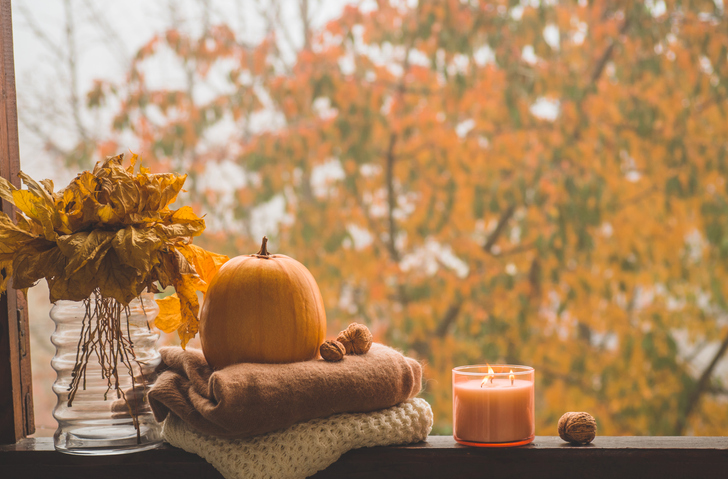
As the seasons change, many people naturally begin looking for ways to make their homes, routines, wardrobes, and daily habits feel warmer and more comfortable. This is where the fall aesthetic becomes more than a visual trend. It can become a thoughtful approach to creating a calmer environment, embracing seasonal routines, and making everyday wellness feel more enjoyable.
The fall aesthetic is often associated with warm colors, soft blankets, autumn leaves, cozy lighting, seasonal beverages, comfortable clothing, and peaceful evenings. However, these elements can also encourage something deeper: slowing down, becoming more mindful, spending intentional time at home, and paying greater attention to personal well-being.
WellnessZing explores the fall aesthetic through seasonal mood, décor, outfits, drinks, movies, lighting, and other lifestyle experiences. Its approach highlights how autumn can be deliberately created through sensory details, even when the weather does not perfectly cooperate.
For anyone interested in Health & Wellness, autumn provides an excellent opportunity to refresh everyday habits without making wellness feel complicated. Here are practical ways to bring the fall aesthetic into a healthier and more balanced lifestyle.
What Does the Fall Aesthetic Mean for Wellness?
The fall aesthetic is commonly recognized through a combination of colors, textures, scents, sounds, and seasonal activities. Think warm amber lighting, earthy colors, knitted fabrics, autumn-inspired foods, relaxing music, nature walks, and quiet evenings with a favorite book.
From a wellness perspective, the important part is not purchasing expensive decorations or completely changing your lifestyle. Instead, it is about creating small environmental and behavioral cues that encourage relaxation and intentional living.
A simple evening routine can become more enjoyable when the lights are softened, a comfortable sweater is worn, a warm non-alcoholic drink is prepared, and electronic distractions are reduced.
These small rituals can make ordinary moments feel meaningful.
The goal is not perfection. The goal is creating an environment that supports the way you want to feel.
Create a Calmer Home Environment
Your surroundings can have a major influence on how you experience your daily routine. A cluttered or overly stimulating environment can make it difficult to transition from work or responsibilities into relaxation.
The fall aesthetic naturally encourages a softer atmosphere.
Instead of relying on bright overhead lighting throughout the evening, consider using smaller lamps and warm-toned lighting. Add comfortable textiles such as blankets, cushions, rugs, or knitted accessories. Natural materials such as wood, cotton, linen, and ceramic can also contribute to a grounded seasonal atmosphere.
You do not need to purchase everything at once.
In fact, one of the easiest ways to create a fall-inspired wellness space is to work with items you already own. Rearrange furniture, bring out a favorite blanket, place a few autumn leaves or branches in a vase, or change your digital wallpaper to an autumn landscape.
The existing WellnessZing guide similarly emphasizes warm lighting, varied textures, sound, and other sensory details as important parts of creating a cozy fall environment.
Use Seasonal Rituals to Practice Mindfulness
Mindfulness does not always require a formal meditation session. It can also involve giving your complete attention to ordinary activities.
Autumn is particularly well suited to this type of intentional living.
Try turning a morning cup of tea into a five-minute ritual. Rather than checking social media immediately, sit somewhere comfortable and focus on the warmth of the mug, the aroma of the drink, and the taste of each sip.
The same idea can be applied to cooking, reading, walking, stretching, journaling, or preparing for bed.
The fall aesthetic can act as a reminder to slow down.
When you associate particular objects and activities with relaxation, they can become cues that help you transition between different parts of your day.
Take Advantage of Autumn-Inspired Outdoor Activities
One of the best aspects of fall wellness is that it encourages people to reconnect with nature.
When temperatures become more comfortable, outdoor activities can become much more enjoyable. A morning walk through a park, an afternoon hike, casual cycling, or simply sitting outside can provide an opportunity to step away from screens and daily responsibilities.
Autumn scenery also gives ordinary walks a new sense of visual interest. Changing leaves, cooler air, natural textures, and seasonal colors can make familiar surroundings feel different.
You do not need an elaborate fitness plan.
A consistent walk around your neighborhood can be a simple way to incorporate movement into your routine while enjoying the seasonal environment.
For an added mindfulness component, leave your headphones at home occasionally and pay attention to natural sounds, changing colors, wind, birds, and the feeling of the air.
Make Your Fall Drinks Part of a Wellness Routine
Seasonal drinks are an important part of the fall aesthetic, but they do not have to be complicated or heavily sweetened.
Warm apple cider, herbal tea, cinnamon-infused drinks, ginger beverages, spiced pear drinks, and other non-alcoholic options can provide comforting alternatives during cooler days.
WellnessZing's fall guide highlights several non-alcoholic seasonal drinks, including spiced cider, cranberry ginger fizz, maple cinnamon beverages, spiced pear soda, and hibiscus apple tea.
The key is to treat the drink as part of a mindful routine rather than simply another beverage.
Prepare it slowly. Use a favorite mug. Sit somewhere comfortable. Put your phone aside for a few minutes.
That small pause can transform an ordinary drink into a relaxing moment.
If you are monitoring sugar or caffeine intake, simply adjust recipes to suit your personal dietary needs.
Dress Comfortably Without Sacrificing Style
Clothing is another easy way to incorporate the fall aesthetic into your wellness routine.
Autumn naturally encourages layering, which makes it possible to adjust your clothing throughout the day. Lightweight base layers, sweaters, jackets, scarves, and comfortable footwear can help create a practical wardrobe that works across changing temperatures.
The WellnessZing guide emphasizes versatile fall pieces such as knitwear, jackets, jeans, scarves, flannel, and boots as part of the seasonal look.
For wellness, prioritize comfort and functionality first.
Choose fabrics that feel comfortable against your skin. Wear footwear appropriate for walking when you plan to spend time outdoors. Keep an extra layer available if temperatures change.
When you feel comfortable in what you are wearing, it becomes easier to focus on the activity itself instead of constantly adjusting your clothing.
Build an Evening Routine Around Rest
Autumn evenings can provide a useful opportunity to establish a consistent nighttime routine.
Start by reducing unnecessary stimulation as bedtime approaches. Lower the lighting, put away work-related materials, prepare a warm caffeine-free beverage, and choose a relaxing activity.
Reading is an obvious choice, but journaling, gentle stretching, listening to quiet music, or practicing breathing exercises can work just as well.
The objective is to create a predictable transition from daytime activity to nighttime rest.
Your environment can reinforce that transition. A warm lamp, soft blanket, comfortable pajamas, and a tidy bedside area can all contribute to a more relaxing atmosphere.
The fall aesthetic therefore becomes less about appearance and more about creating cues that tell your mind: the day is slowing down.
Bring Seasonal Foods Into Your Kitchen
Food is another important part of autumn wellness.
Fall offers many naturally seasonal ingredients that can inspire nourishing meals. Apples, pears, pumpkins, squash, sweet potatoes, leafy greens, beans, oats, and warming spices can be incorporated into a wide range of dishes.
Instead of viewing healthy eating as restrictive, try approaching seasonal cooking as an opportunity to experiment.
Make a vegetable soup on a cool evening. Add roasted squash to a grain bowl. Prepare oatmeal with fruit and warming spices. Experiment with homemade soups or balanced one-pan meals.
Cooking at home can also become a mindfulness activity.
Put on calming music, prepare ingredients slowly, and focus on the process rather than rushing through it.
Use the Fall Aesthetic to Encourage Digital Detox
A seasonal wellness reset can also involve your digital habits.
Modern life often keeps people connected to notifications, messages, entertainment, and social platforms throughout the day. The fall aesthetic provides an excellent excuse to create screen-free periods.
For example, establish a one-hour technology-free evening.
During that time, read a book, prepare tea, organize your room, write in a journal, take a short walk, or simply sit somewhere comfortable.
You could even replace a bright phone background with a calming autumn image. WellnessZing's guide notes that changing a phone or laptop background can be an easy way to introduce seasonal visual cues without purchasing physical décor.
Small changes like this can make your digital environment feel more intentional.
Create a Personalized Fall Self-Care Checklist
Self-care does not have to mean expensive products or elaborate routines.
Create a simple fall checklist based on activities that genuinely help you feel refreshed.
Your list might include:
- Take a 20–30 minute outdoor walk.
- Drink enough water throughout the day.
- Prepare one nourishing seasonal meal.
- Spend 15 minutes reading.
- Stretch before bed.
- Keep your sleeping space comfortable and organized.
- Take a break from social media.
- Call or meet someone you care about.
- Spend time outdoors during daylight.
- Practice a few minutes of quiet breathing.
- Enjoy a favorite non-alcoholic seasonal drink.
- Set aside time for a hobby.
The best wellness routine is one that you can realistically maintain.
Let the Season Encourage Slower Living
One of the most valuable aspects of the fall aesthetic is its connection with slower living.
Autumn often inspires people to appreciate simple experiences: warm drinks, comfortable clothing, changing leaves, home-cooked meals, books, music, candles, and conversations.
These experiences do not have to be expensive.
In fact, some of the most memorable seasonal rituals cost nothing.
Take a walk and photograph interesting leaves. Rearrange your room. Make tea. Listen to rain. Write down three things you appreciated about the day. Watch the sunset. Spend time with family or friends.
Wellness does not always need to be optimized.
Sometimes it simply needs to be experienced.
Final Thoughts
The fall aesthetic can be much more than a collection of autumn colors, fashionable outfits, seasonal decorations, and cozy photographs. When approached through a Health & Wellness perspective, it can become a practical framework for slowing down, creating calming surroundings, spending time outdoors, enjoying nourishing food, practicing mindfulness, and developing more intentional daily rituals.
You do not need a complete home makeover or an expensive seasonal shopping list to experience the benefits of an autumn-inspired lifestyle. A warm light, comfortable clothing, a homemade drink, a peaceful playlist, and a few minutes of quiet time can be enough to begin.
The most meaningful part of the season is not how perfectly your home looks or how closely your lifestyle follows an online trend. It is how intentionally you use the season to reconnect with yourself, your surroundings, and the people who matter to you.
As autumn arrives, let the fall aesthetic become an invitation to pause, simplify, and enjoy the small moments that make everyday life feel warmer.